When choosing a portable 3-gallon outboard fuel tank, consider durability, compatibility, and convenience for your specific boat and engine. This guide highlights five reliable options and who each is best for. Whether you fish, boat for pleasure, or run small day trips, the right tank keeps fuel on hand without cluttering deck space. The selections below emphasize clear fuel gauges, integrated filters, and ergonomic handles to simplify refueling.
| Product | Brand | Key Strength |
|---|---|---|
| 3 Gallon Marine Portable Tank | EliteEdge | Integrated level indicator and easy-fill pump |
| 3 Gallon Portable Boat Fuel Gas Tank | AloneGoer | Multi-layer barrier and corrosion resistance |
| VEVOR Boat Fuel Tank | VEVOR | Long hose and rugged HDPE construction |
| Portable Boat Fuel Gas Tank | LIZHOUMIL | Ergonomic I-shaped handle and clear gauge |
| 3 Gallon Portable Marine Gas Tank | Attwood | Automated vacuum valve and multi-layer build |
EliteEdge 3 Gallon Marine Portable Tank

Best for: Small craft and deck boats needing a compact, easy-to-use fuel solution. This tank features a clear level indicator and an integrated air inlet filter to keep fuel clean and signaling when refills are needed. A built-in hose and manual squeeze pump support quick, one-person operation on docks or in tight spaces. Its 0.3″/8 mm hose diameter offers compatible interfaces for common marine fittings. Use this when you prioritize visibility of fuel levels and simple pumping rather than high-capacity storage.
Caution: Ensure the hose connection is secure before operation to avoid leaks. The tank’s compact size may require more frequent refills on longer trips.
AloneGoer 3 Gallon Portable Tank
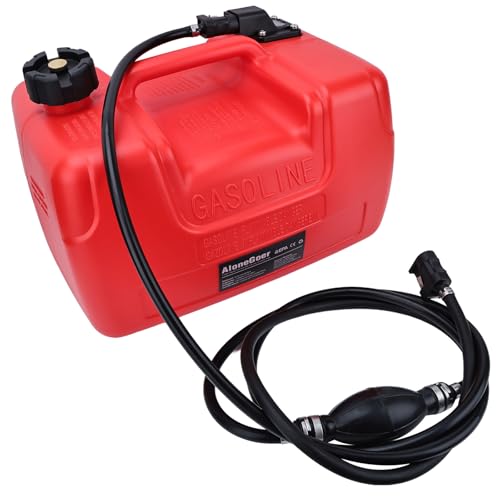
Best for: Outboard motors and spare fuel on mid-sized boats, especially when UV stability and corrosion resistance matter. This tank uses a multi-layer barrier that reduces fuel evaporation by up to 98% and includes UV stabilization for extended outdoor exposure. Its compatibility with Yamaha-style connectors makes it a versatile choice for many popular engines. Use this if you need a durable tank that resists sea spray and aging in coastal or salty environments.
Caution: The specific connector compatibility should be verified against your engine’s fuel-line fitting to avoid fit issues.
VEVOR Boat Fuel Tank, 12L

Best for: Outboard adventures where a longer hose and sturdy construction are valuable. This tank offers a 9.8 ft/3 m hose with a 6 mm inner diameter for Yamaha-style interfaces, and its high-density polyethylene body resists aging and corrosion. It’s a solid choice for frequent travelers between docks or when you need a portable tank that can sit securely under a seat or on a deck. Avoid prolonged direct sunlight to minimize aging and expansion risk.
Limitation: Prolonged sun exposure can accelerate material aging; plan to store in shade when not in use.
LIZHOUMIL Portable Boat Fuel Gas Tank
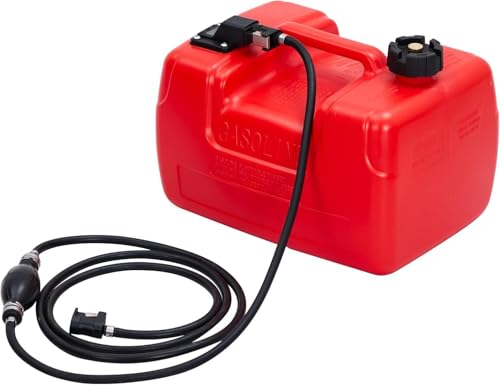
Best for: Boat owners who value ergonomic handling and quick fuel checks. This tank uses an ergonomic I-shaped handle for comfortable carrying and a clear fuel gauge with a built-in filter to keep fuel clean. It’s compact enough to fit under seats or in storage compartments, making it a practical option for day trips. Choose this if you want straightforward visibility of fuel and a simple refueling experience.
Limitation: While durable, this tank may be less suited to extended deep-sea expeditions without additional fuel contingency planning.
Attwood 8803LPG2 Portable Tank

Best for: Those who want a proven, automotive-grade multi-layer construction with a vacuum valve for steady fuel flow. The tank’s design helps manage pressure and reduces vapor buildup during refueling. It suits regular boaters who need dependable performance in variable weather and humidity. Use this if you prioritize a robust build and automatic venting features for more consistent fueling.
Caution: The valve and venting system should be checked periodically to maintain reliable operation in rough water or sun exposure.
Buying Guide: Key Considerations for 3-Gallon Outboard Fuel Tanks
- Capacity vs. usage: A true 3-gallon tank suits small to mid-sized outboards. Consider how often you refuel at sea and whether a slightly larger capacity would reduce trips to shore.
- Compatibility: Confirm hose diameter and engine connector compatibility with your outboard model to avoid leaks or adapters.
- Fuel gauge visibility: Tanks with clear sight gauges help you monitor fuel levels at a glance, preventing unexpected outages.
- Durability and materials: Look for UV-stable, corrosion-resistant HDPE or multi-layer constructions designed for marine environments.
- Ventilation and safety: Vented caps and automatic vacuum valves reduce vapor buildup and improve safety during refueling.
- Portability and storage: An ergonomic handle and compact footprint aid transport and under-seat storage on smaller boats.
- Maintenance: Built-in filters help keep fuel clean; check for simple maintenance steps to extend life.
Frequently Asked Questions
- Q: What features are most important in a 3-gallon outboard fuel tank? A: Durability, compatibility with your engine, a clear fuel gauge, and an easy-to-use pump or hose.
- Q: Can I use any 3-gallon tank with any outboard motor? A: Not always. Check hose diameter, connector type, and fuel type compatibility with your engine.
- Q: Are these tanks suitable for saltwater use? A: Yes, many are designed for marine environments, but UV stability and corrosion resistance are important for longevity.
- Q: Do these tanks come with a warranty? A: Warranties vary by brand; verify coverage with the seller before purchase.
- Q: How should I store a portable gas tank when not in use? A: Store in a shaded, well-ventilated area away from direct heat sources and flames.
- Q: What safety practices are recommended when refueling? A: Refuel on a flat, stable surface; keep away from ignition sources; and ensure the vented cap is properly installed.