Answering the common buyer question: which window tint film roll delivers strong UV protection, heat reduction, and easy installation across a range of vehicles? This guide highlights five top options that balance performance, practicality, and value. Each pick is suited to different drivers—from first-time installers seeking a forgiving kit to enthusiasts requiring advanced, ceramic protection. The summary table below helps compare core specs at a glance.
| Product | Brand | Typical VLT Range | Film Type | Best For |
|---|---|---|---|---|
| RockRose 5% Premium Carbon Car Window Tint Film | RockRose | 1% – 5% | 2PLY Carbon | Max privacy, heat blocking |
| Mandark 18PCS Car Window Tint Kit | Mandark | Varies by kit | Tools + film kit | DIY wrapping and installation |
| PAMAGOO Window Tint Car 35% VLT | PAMAGOO | 35% | Ceramic | Easy install, UV/heat shield |
| Vepagoo 20% VLT Ceramic Car Window Tint Film | Vepagoo | 20% | Ceramic | Privacy with no signal interference |
| IAQWE 35% VLT Ceramic Car Window Tint Film | IAQWE | 35% | Ceramic | Balanced privacy and clarity |
RockRose 5% Premium Carbon Film For Cars

The RockRose carbon window tint uses a 2PLY carbon film designed to deliver substantial UV protection and heat rejection. It claims to block 99% of UV rays and reduce infrared radiation by up to 55%, which can translate to a cooler cabin and less interior fading. The film’s dark 5% shade offers high privacy, making it a strong choice for drivers who want maximize privacy and interior protection in sunny climates. This option is also framed as plotter-friendly and suitable for professional or DIY shrink applications, which helps if you plan precise cuts for custom installations.
Best for: drivers seeking strong privacy along with substantial UV/heat protection, especially when a dark appearance is desired. It suits those who work with carbon films and need a reliable, cooler cabin during peak sun hours.
Caution: installation accuracy and heat-shrink handling matter, as with many dark films; improper trimming or improper heat could affect edge seal or tint uniformity.
Mandark 18PCS Car Window Tint Kit

The Mandark kit emphasizes a complete DIY set with multiple squeegees, a cutting knife, felt squeegees, and blades—designed to help users achieve flat, bubble-free results on curved glass. While the listing centers on the kit’s tools and versatility, the underlying tint films are presented as adaptable to various auto glass areas, including edges and windshields with large curvature. The kit’s broad applicability also makes it a reasonable choice for home, garage, or workshop projects beyond automotive use.
Best for: first-time installers or DIY enthusiasts who want a complete set of tools alongside tint film, enabling wider flexibility across different projects.
Caution: tool quality and film compatibility vary between kits; ensure that the included blades and squeegees match your chosen film type and vehicle curves to minimize potential scratches or installation challenges.
PAMAGOO Window Tint Car 35% VLT

This PAMAGOO option uses a ceramic film designed to block UV and infrared rays while remaining relatively straightforward to install. The 35% VLT strikes a balance between privacy and visibility, offering clearer daytime viewing than very dark tints while still providing glare reduction and interior protection. The 5-layer construction emphasizes durability, scratch resistance, and long-term resilience against sun exposure.
Best for: drivers who want a reliable ceramic tint with solid UV/heat protection and a moderate privacy level, suitable for year-round use without heavy darkness.
Limitation: true color appearance depends on vehicle lighting; ensure the 35% shade aligns with local tint regulations and personal preference before finalizing cut lines.
Vepagoo 20% VLT Ceramic Window Tint Film
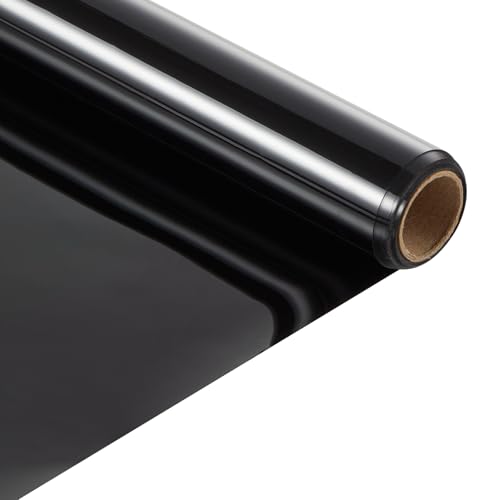
The Vepagoo 20% VLT ceramic film emphasizes one-way daytime privacy and no interference with GPS or wireless signals. Its ceramic composition helps reduce infrared heat and glare, contributing to a cooler cabin and more comfortable driving experience. The compatibility focus is useful for drivers who rely on connected devices and navigation, as it minimizes potential signal disruptions.
Best for: privacy-conscious drivers who want a balance between visibility during the day and protection from heat, while keeping electronics interference-free.
Caution: some users may prefer darker or lighter tints depending on vehicle color and local laws; verify compliance with state regulations for night driving and visibility requirements.
IAQWE 20% VLT Ceramic Car Window Tint Film

The IAQWE 20% VLT ceramic film emphasizes superior sun protection and shatterproof, scratch-resistant design. This film aims to maintain interior coolness by reducing infrared heat, while offering a balanced privacy level that suits both daytime viewing and safe nighttime driving. Its 5-layer safety construction is positioned as durable for long-term use across sedans, SUVs, trucks, and vans.
Best for: drivers who want a mid-dark tint with strong heat protection, high durability, and shatter resistance for everyday driving and varied weather conditions.
Caution: ensure the film’s VLT aligns with local regulations and vehicle type; ceramic films can have a higher initial installation complexity compared to basic dyed films.
Buying Guide: How To Choose The Right Window Tint Film Roll
- Purpose and climate: If heat reduction and interior protection are priorities, ceramic or carbon films tend to perform best, especially in hot regions.
- VLT and legality: Check local laws for permissible VLT ranges by vehicle type and window position (driver’s window, rear windows, etc.).
- Installation complexity: DIY kits vary from tool-heavy sets to ready-to-apply films. Beginners often benefit from kits with comprehensive instructions or tool bundles.
- Durability and scratch resistance: Ceramic and carbon films generally offer higher durability and resistance to abrasion compared to basic dyed films.
- Signal interference: If you rely on GPS, phone signals, or key fobs, choose ceramic films marketed as no-signal-interference to avoid issues with metal-containing films.
- Edge quality and shrinkability: For glossy, professional finishes, look for films designed for easier shrinking and clean edge sealing, particularly on curved windows.
- Warranty considerations: Confirm whether a warranty covers bubbling, edge lifting, or discoloration; this can indicate manufacturing confidence and product reliability.
Frequently Asked Questions
- What is the difference between ceramic and carbon window tint films?
– Ceramic films use ceramic particles to block heat and glare without metallic content, preserving signal clarity. Carbon films focus on UV/heat blocking and privacy, often with a darker appearance. - Is a higher shade always better for privacy?
– Higher darkness (lower VLT) offers more privacy but may reduce visibility at night and could violate local laws; choose a VLT that balances privacy with compliance. - Do window tints interfere with electronics?
– Most ceramic films are designed to avoid signal interference; metal-based films can cause GPS or key fob issues in some cases. - Can I install tint on all windows?
– Regulations typically restrict tinting on the windshield and driver’s door windows. Verify local rules before starting the project. - How long does installation take for a DIY kit?
– Time depends on the user’s experience and the vehicle’s complexity. A kit with step-by-step instructions can shorten the process significantly. - What maintenance is recommended after installation?
– Avoid ammonia-based cleaners and allow the film to cure as directed by the manufacturer; tip: use a non-ammonia cleaner and a microfiber cloth.