Common buyers include DIY enthusiasts, car modifiers, and performance shops seeking a lightweight, stylish roof treatment without repainting. This guide highlights five top carbon fiber roof skin and carbon-fiber-inspired wraps, suitable for a range of vehicles and budgets. Each section notes who it’s best for, plus practical considerations to help you choose. A quick buyer table follows to compare core details at a glance.
| Product | Best For | Material | Notes |
|---|---|---|---|
| VViViD Black True R Carbon Fiber Vinyl Wrap | DIYers and fleet marketing | Vinyl with carbon fiber look | Air release tech helps easy installation |
| YIBASHOU Carbon Fiber Roof Skin Cover Trim | Nissan GT-R R35 owners | Real carbon fiber look vinyl | Self-adhesive, straightforward install |
| Kazento Dry Carbon Fiber Roof Skin Panel | GR86/BRZ owners seeking light weight | Dry carbon fiber | Rigorous QC, precise fit |
| Kazento Civic Type R FD2 Roof Panel Skin | Honda Civic Type R FD2 builds | Carbon fiber stickers | Protection and styling without bulk |
| VViViD+ Forged Composite Carbon Vinyl | Accent wraps and partial to full wraps | Forged composite carbon finish | Nano air-release, self-healing properties |
VViViD Black True R Carbon Fiber Vinyl Wrap Roll

This premium automotive vinyl is designed for DIY projects and professional-looking results. The 3.9 mil thickness helps it stretch and conform to shapes while resisting common wrap defects. It includes built-in VViViD Air Release, VViViD Resist, and VViViD Heat Fuse technologies to ease installation and improve long-term durability. Best for DIYers, light fleet branding, and as a cost-effective alternative to painting the roof of a car, truck, or van.
Who it’s best for: DIY enthusiasts, small fleets, and motorsport teams seeking a budget-friendly, ship-ready wrap that still looks premium. Limitations: May require heat shaping for complex curves; evaluation on textured or deeply contoured surfaces is advised.
YIBASHOU Carbon Fiber Roof Skin for Nissan GT-R R35
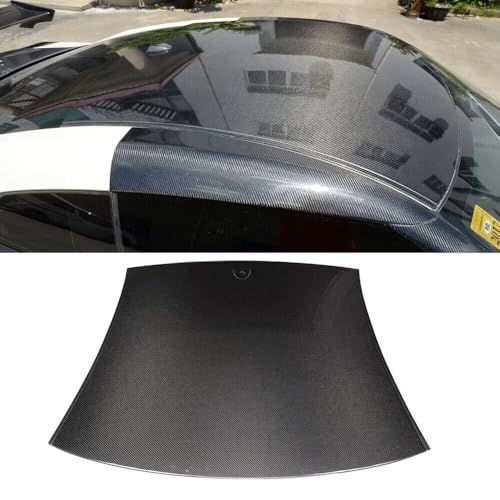
Designed for Nissan GT-R R35 models from 2009–2015, this carbon fiber roof skin cover trim is marketed as a ready-for-install piece. It uses vinyl-based carbon fiber to achieve a realistic look and is sold with straightforward self-adhesive or screw-in installation options. Best for GT-R owners wanting an OEM-like upgrade that preserves roof integrity while adding visual depth.
Who it’s best for: Nissan GT-R owners seeking a quick, look-focused upgrade. Limitations: Fitment guidance emphasizes compatibility with R35 only; confirm vehicle match before purchase.
Kazento Dry Carbon Fiber Roof Skin for Toyota 86 / BRZ

Compatible with Toyota 2022–2023 GR86 and Subaru BRZ ZD8, this dry carbon fiber roof skin offers a lightweight, durable option with tight fit and finish assurances. The dry carbon material reduces weight while preserving a premium aesthetic. Best for GR86 and BRZ builders who want a precise fit and a high-end surface without the weight of painted carbon.
Who it’s best for: GR86/BRZ owners seeking a clean, race-inspired upgrade. Limitations: Verify exact model year compatibility; installation requires careful alignment to maximize the look and seal.
Kazento Honda Civic Type R FD2 Roof Panel Skin

Designed for Honda Civic Type R FD2 models from 2007–2011, this carbon fiber OE-style roof panel skin aims to provide a protective yet stylish upgrade. Made from carbon fiber stickers, it helps guard against scratches and aging while enhancing the car’s visual appeal with a brighter, more dynamic surface. Best for Civic Type R FD2 owners who want a distinctive look without major structural changes.
Who it’s best for: Civic Type R FD2 enthusiasts prioritizing surface protection and styling. Limitations: Carbon fiber sticker aesthetics may vary with surrounding paint and body lines; ensure color matching if aesthetics are critical.
VViViD+ Forged Composite Carbon Vinyl Wrap

This wrap features a forged composite carbon finish that delivers a distinctive look not easily matched by standard carbon fiber laminates. The hybrid-elastic PVC formula offers enhanced durability, stretch, and self-healing properties, making it suitable for partial wraps, accents, or full car wraps. Best for accent work where a unique texture is desired, and for projects requiring flexible application across curves.
Who it’s best for: Builders wanting a standout finish with flexible application. Limitations: The forged look may not perfectly mimic real carbon fiber on every surface; consider how the texture reads from different angles.
Buying Guide: Key Purchase Considerations
- Material choice: Real carbon fiber panels tend to be lighter and stiffer but pricier; carbon fiber vinyl wraps offer cost-effective aesthetics and easier install, with varying durability by brand.
- Intended application: Full roof changes require more coverage and precision; partial wraps or accent panels suit styling goals and budgets.
- Surface compatibility: Ensure the roof surface is clean, flat, and free of severe damage; curves and contours influence wrap behavior and appearance.
- Installation considerations: Air-release features and heat-activated adhesives help with bubble-free results; some options rely on self-adhesive tapes or screws for fitment.
- Fitment accuracy: Vehicle-specific roof skins and trims are more likely to align correctly; verify model years and trim levels before purchase.
- Durability and care: Warranties and care instructions vary; consider cleaning methods and sun exposure resistance for long-term appearance.
- Aesthetics vs. reality: Realistic carbon fiber texture can differ by manufacturing; evaluate the look in your preferred lighting and from multiple angles.
Frequently Asked Questions
- What is a carbon fiber roof skin? It is a panel or skin made to resemble carbon fiber that covers a vehicle’s roof for aesthetics or protection.
- Are these wraps permanent? Most vinyl wraps are semi-permanent and removable, depending on surface prep and adhesive quality.
- Can any car get a carbon fiber roof skin? Vehicle compatibility varies; check fitment notes for model, year, and trim specifics.
- Do I need professional installation? DIY installation is possible with proper tools and prep, but complex curves may benefit from professional help.
- Will a carbon fiber roof wrap improve aerodynamics? No significant aerodynamic gains; the benefit is primarily appearance and surface protection.
- How do I maintain a carbon fiber roof wrap? Clean with mild soap, avoid abrasive pads, and protect from prolonged, direct sun exposure when possible.