Finding the right clutch line adapter fittings helps ensure leak-free hydraulic systems and consistent clutch performance. This guide highlights five top options that fit common AN and metric ports, enabling secure connections across brake and clutch lines. Each model is evaluated for compatibility, material quality, and installation practicality to support American DIYers and professionals alike.
| Product | Brand | Fit Type | Material | Notes |
|---|---|---|---|---|
| Russell 640281 -3 AN SAE Adapter Fitting | Russell | Vehicle Specific | Unknown | SAE to AN adapter for select vehicles |
| RKX Clutch Master Cylinder Adapter Fitting AN4 | RKX | AN4 Line | Stainless steel | Compat with VW/Audi/Porsche line points |
| EVIL ENERGY 3 AN Male SAE Adapter Fitting | EVIL ENERGY | AN3 | 304 stainless steel | 37-degree sealed AN3 side |
| M12x1.0 to 3AN Fitting | K-MOTOR PERFORMANCE | 3AN | Stainless steel | Inverted flare to AN flare; multiple uses |
| Dsnaduo 4AN AN4 to 1/8 NPT | Dsnaduo | AN4 to 1/8 NPT | Stainless steel 304 | Mates AN line to NPT ports |
Russell 640281 -3 AN SAE Adapter Fitting

The Russell 640281 offers a straightforward SAE to AN adaptation for sport and performance vehicles. Designed for vehicle-specific applications, this fitting supports reliable hydraulic connections without compromising line routing. Its compact dimensions facilitate tight engine bays and cramped chassis spaces. Material details emphasize corrosion resistance, though installation should verify compatibility with existing adapters and seals. This adapter is commonly used where a factory SA E line must connect to aftermarket AN hoses, ensuring proper thread engagement and leak resistance.
Key considerations for buyers include verifying the exact vehicle fitment, ensuring the -3 AN size aligns with the hose you plan to run, and confirming the seal interface with your master or slave cylinder ports. For professionals, cross-checking against your vehicle’s hydraulic diagram reduces the chances of mismatched threads or improper seating. Routine inspection after installation helps catch leaks early and maintains consistent clutch operation.
RKX Clutch Master Cylinder Adapter Fitting AN4

The RKX AN4 adapter is designed to bridge clutch master or slave cylinders with custom lines. Built from genuine RKX stainless steel, it provides robust resistance to corrosion and high pressure common in clutch systems. This fitting supports select master and slave configurations and is typically secured with a wire clip, making it a practical choice for custom line builds. It enables users to run AN4 lines to non-standard ports, expanding possibilities for performance upgrades or retrofits. Documentation encourages compatibility checks with your specific cylinder model and line diameter to ensure a snug seal.
Considerations include confirming that the AN4 thread matches your hose ends, verifying whether a clip or additional seal is required, and ensuring the adapter’s length does not interfere with nearby components. For shielded environments or racing applications, inspect for galling risk during assembly and verify torque specifications per your clutch kit guidelines. This fitting is best when you need a precise AN4 connection in a VW/Audi/Porsche-labeled ecosystem or other lines that require an AN4 interface.
EVIL ENERGY 3 AN Male SAE Adapter Fitting

This EVIL ENERGY adapter uses 304 stainless steel to deliver a robust 3 AN male connection, suitable for clutch and brake lines where space allows a compact AN3 interface. The 37-degree sealing angle on the AN side helps reduce leaks at high-pressure points and minimizes fluid ingress into thread crevices. The kit typically includes two fittings, offering flexibility when setting up dual-line systems or parallel routes. The stainless construction supports durability in automotive environments exposed to heat, vibration, and road contaminants.
Key questions include whether the 3 AN size aligns with your hose, whether the 37-degree seal is compatible with your port geometry, and if you need anti-corrosion coatings for long-term use. In addition, assess the overall system pressure you expect to meet and confirm that the mating ports are clean and undamaged. This fitting is well-suited for users who require a compact, corrosion-resistant AN3 connection with reliable sealing in performance applications.
M12x1.0 to 3AN Fitting – K-MOTOR PERFORMANCE
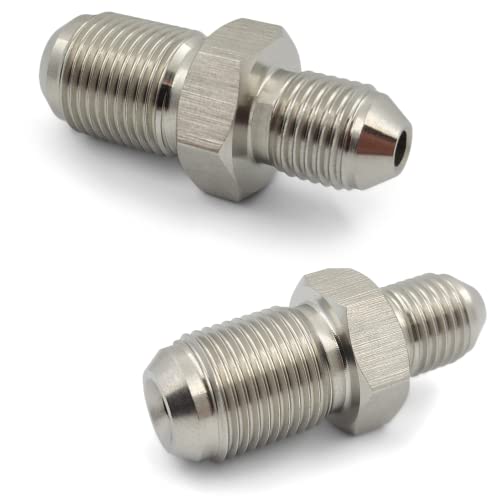
The M12x1.0 to 3AN straight adapter blends metric threads with AN hose ends, enabling seamless integration in mixed-port systems. Constructed from stainless steel, this fitting offers resistance to corrosion and high-pressure hydraulics common in clutch lines. It serves as an inverted flare to AN flare adapter, broadening its applicability from brake lines to fuel systems and cooling circuits. The M12 port ensures tight, thread-wide sealing when paired with proper gaskets and torque values. This option is versatile for users upgrading European or Asian vehicles with mixed port standards.
Practical considerations include confirming the M12x1.0 thread compatibility with your master or slave cylinder, ensuring that an inverted flare interface will seal correctly with your hose, and verifying the overall length to avoid interference with suspension components or steering linkages. For projects requiring a single adapter for multiple systems, this fitting can simplify inventory and reduce the number of different adapters needed.
Dsnaduo 4AN AN4 to 1/8 NPT Stainless Steel

The Dsnaduo AN4 to 1/8 NPT adapter connects a 4AN hose end to an NPT port, offering a stainless steel 304 construction for durability under automotive conditions. This union is commonly used to mate AN4 lines to NPT ports in clutch, brake, or fuel systems. The stainless composition provides resistance to corrosion and heat cycling, contributing to long-term reliability. The design supports ease of installation with standard AN4 and NPT thread dimensions, reducing the need for custom machining or adapters.
Key considerations include verifying the 1/8 NPT thread pitch and ensuring proper sealing with Teflon tape or appropriate sealants to avoid leaks. Confirm that the port material is compatible with the seal and that the adapter length does not conflict with nearby components such as engine mounts or headers. This connector is best for configurations where an AN4 line must be adapted to a standard NPT port and where corrosion resistance is a priority.
Buying Guide: Key Purchase Considerations For Clutch Line Adapters
- Port compatibility: Match AN sizes (AN3, AN4) or metric threads (M10, M12) with your hose ends and ports to ensure a reliable seal and proper torque.
- Material quality: Stainless steel is common for durability and corrosion resistance; verify grade and finish to withstand heat and fluid exposure.
- Sealing method: AN fittings often rely on flare sealing or conical seat interfaces. Confirm the correct seal type (37-degree, inverted flare, etc.) for your system.
- Thread orientation: Straight vs. inverted flare and the presence of any clips or seals affect installation and serviceability.
- Application scope: Choose adapters designed for clutch lines, brake lines, or multi-purpose use, ensuring compatibility with your master/slave cylinders and hoses.
- Installation space: Consider overall length and bend radii to avoid interference with engine components, fuel lines, or exhaust nearby.
- Maintenance: Inspect seals and threads for wear after installation; replace gaskets or O-rings if required to prevent leaks.
- Documentation: Check vehicle-specific fitment guides and supplier notes to avoid mismatches in ports or thread standards.
- Cost vs. benefit: Higher-grade stainless options may offer greater longevity; weigh cost against expected service life and maintenance needs.
In sum, selecting the best clutch line adapter fittings involves confirming thread types, port sizes, and material durability while considering fitment within the vehicle’s hydraulic network. The five options highlighted here provide a spectrum of AN and metric interfaces suitable for common performance builds, retrofits, and upgrades across American automotive applications.