From vintage V8s to modern high-performance builds, CNC-machined intake manifolds can influence airflow, throttle response, and overall efficiency. This guide highlights five top-rated CNC air intake manifolds chosen for diverse American engines, with objective specs and practical considerations to help you choose the right part for your project. Read on to compare fit, flow range, and compatibility before buying.
| Product | Brand | Notes |
|---|---|---|
| Edelbrock 7501 Performer RPM Air-Gap | Edelbrock | Dual-plane, air-gap design; heat separation from lifter valley |
| SPBREW 6.7L Cummins Intake Kit | SPBREW | Precision-fit for 2013-2018 Ram 6.7L; +88% air intake |
| JGhyperX 7501 2026 Vortec Dual Plane | JGhyperX | Chevy SBC compatibility; dual-plane, aluminum |
| JGhyperX 7561 Big Block Dual Plane | JGhyperX | Big Block Chevy compatibility; aluminum dual-plane |
| Flynsu 318 Intake Manifold | Flynsu | LA Magnum 318/340/360; dual-plane, air-gap style |
Edelbrock 7501 Performer RPM Air-Gap

The Edelbrock 7501 Performer RPM Air-Gap is a dual-plane intake designed to improve high-RPM airflow while maintaining good idle characteristics. Its Air-Gap design separates the runner from the heat of the lifter valley cover, reducing heat soak for more consistent performance. The unit also includes a temperature sending unit boss that clears all water necks, aiding installation in many small-block Chevy and Ford-based builds. This manifold targets engines where strong mid-to-upper RPM performance is desired without sacrificing daily drivability.
SPBREW 6.7L Cummins Intake Manifold Kit
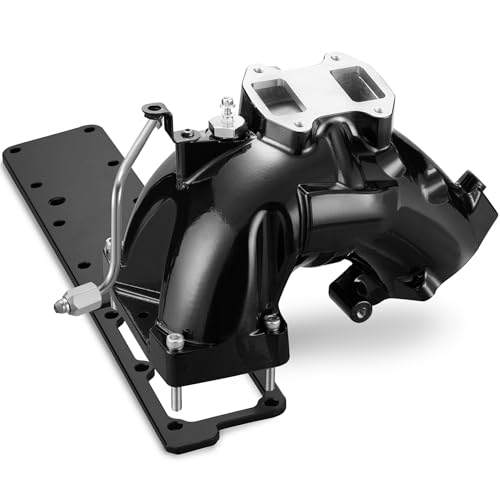
The SPBREW intake manifold kit for 6.7L Cummins is engineered for precise fitment in 2013-2018 Ram 2500/3500 diesels. It emphasizes increased airflow with a larger intake port diameter—two times OEM size—delivering up to an 88% boost in air intake. The kit is positioned to enhance throttle response, overall power, and fuel efficiency. Note that it is not compatible with chassis cab variants, which makes correct model matching essential for optimal results.
JGhyperX 7501 2026 Vortec Dual Plane

The JGhyperX 7501 Vortec Dual Plane manifold is designed for Chevy small block SBC engines from 1955 to 1986. Its aluminum construction keeps weight reasonable while providing a duel-plane configuration that aims to improve high-RPM power without overly compromising low-end torque. The product supports multiple SBC variants through its 7501 family compatibility and comes in a silver aluminum finish that resists corrosion. RPM range and height are tuned for classic SBC builds seeking a modern CNC-style metalwork approach.
JGhyperX 7561 53026 Big Block Dual Plane

The JGhyperX 7561 is tailored for Chevy big-block engines (BBC) spanning 1966-2000. This aluminum dual-plane intake manifold offers a robust option for those pursuing efficient air distribution across larger displacement configurations. It emphasizes compatibility with 396/427/454 engine families and maintains a practical height to fit under many stock hoods. Users should consider carburetor style and deck height compatibility when planning a swap or upgrade in classic builds.
Flynsu 318 Dual Plane Intake Manifold

The Flynsu 318 intake manifold targets Chrysler LA Magnum engines, including the 318/340/360 families from the 1967–2003 era. This dual-plane, air-gap style manifold is designed to improve throttle response and airflow in small- and mid-displacement LA series V8s. The design accommodates a variety of carburetion setups and provides a practical upgrade path for classic Mopar enthusiasts seeking better combustion efficiency and performance gains without extensive ECU reprogramming or complex retrofits.
Buying Guide: Key Purchase Considerations And Comparisons
Selecting the right CNC air intake manifold involves balancing fitment, airflow, and engine characteristics. Consider the following perspectives to guide a decision:
- Engine Compatibility: Confirm bore spacing, deck height, and horsepower target. Dual-plane designs typically favor mid-to-high RPM gains, while single-plane configurations excel at top-end power but may reduce low-end torque.
- Material And Build Quality: Aluminum manifolds are common for their light weight and heat resistance. CNC-machined components often deliver precise bore alignment, smoother runners, and better gasket sealing, but check for finish quality and warranty.
- Flow and Port Sizing: Larger ports improve airflow but require corresponding tuning of jets, cam, and exhaust to avoid fuel-rich or lean imbalances. The OEM-to-aftermarket port transition is a key consideration in modern builds.
- Heat Management: Air-Gap designs help reduce heat soak, which can improve charge density. This is especially relevant for street-driven engines that encounter sustained idle or short trips.
- Installation And Fitment: Some manifolds include additional bosses or adapters for sensors, water necks, or accessory hardware. Ensure compatibility with existing water necks, temperature sensors, and throttle linkages.
- Intake Path And RPM Range: Match the manifold’s intended RPM window with your engine’s cam timing and RPM goals. A manifold optimized for 1,500–6,500 RPM will suit many small-block builds, whereas some big-block designs target broader ranges.
- Carburetion vs. EFI: Some CNC manifolds are designed for carbureted setups, while others are compatible with electronic fuel injection. Confirm carb flange compatibility and required accessories for your setup.
- Warranty And Support: Check manufacturer warranties and availability of gaskets, bolts, and adapters. A well-supported product line reduces long-term maintenance hassles.
In summary, the Edelbrock, SPBREW, and JGhyperX options provide a spectrum of fitments across small-block, big-block, and diesel contexts, with heat management and port sizing as distinguishing features. For vintage Mopar fans, Flynsu offers a practical LA Magnum upgrade path. For diesel enthusiasts, SPBREW’s Cummins kit emphasizes substantial airflow gains. When evaluating choices, prioritize engine compatibility, real-world airflow needs, and installation practicality to achieve the best performance outcomes.