If you’re upgrading an RV, camper, or fifth wheel, a modern rooftop AC unit can transform travel comfort. The following selections highlight energy efficiency, quiet operation, and easy installation across a range of budgets. Each model emphasizes low power draw, better cooling, and smart features to fit off-grid adventures or shore power setups. Explore five top options and learn what matters most when choosing the right RV air conditioner for your rig.
| Product | Brand | Key Feature |
|---|---|---|
| RecPro 15K RV Air Conditioner | RecPro | Low amp draw; quiet operation |
| FOGATTI 16K BTU RV AC Unit | FOGATTI | Heat pump; WiFi; ultra-quiet |
| ACiQ 15,000 BTU RV AC | ACiQ | Eco-friendly R32; non-ducted |
| TOSOT 16,000 BTU Go Cool | TOSOT | WiFi control; heated capability |
| VEVOR 13,500 BTU RV AC | VEVOR | Three modes; quick cooling |
RecPro RV Air Conditioner 15K Review
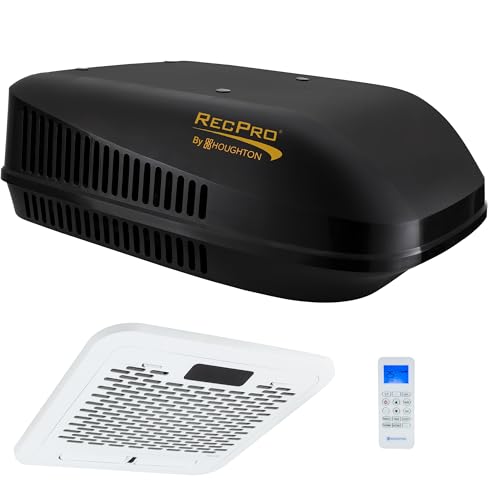
The RecPro 15K unit is designed for travel durability and energy efficiency. It features a low amp draw, allowing you to run multiple RV appliances without overloading the system. Built from UV-resistant plastic with an aerodynamic rooftop profile, it aims to reduce drag and fit a variety of RV styles. It operates at a quiet level around 55 dB, appealing to sleepers and working travelers who require a calmer interior environment. This all-in-one unit supports both cooling and heat pump functions for versatile climates.
FOGATTI 16K BTU RV AC With Heat Pump

FOGATTI’s 16K BTU non-ducted unit combines heat pump functionality with smart features and low-noise operation. Its dual-motor, triple-fan system delivers strong airflow and efficient heating or cooling—reporting an EER of 11.8 and a quiet 43 dB performance. Installation is straightforward for most RVs with a standard rooftop cut-out, and the unit includes sealing materials to help prevent leaks. WiFi and remote control add modern convenience for on-the-road climate control.
ACiQ 15,000 BTU RV AC With Heat Pump

ACiQ’s 15,000 BTU model offers a non-ducted design with heat pump capability and 115V operation. This unit emphasizes eco-friendliness through R32 refrigerant and a rotary compressor for efficient performance. Suitable for mid-sized RVs, it provides robust cooling and heating with a manageable power draw, making it a viable option for shore-powered sites or generator setups where energy management matters.
TOSOT 16K BTU Go Cool RV AC

The TOSOT Go Cool unit is designed for flexible operation with WiFi control via an app. With 16,000 BTU cooling and 12,500 BTU heating, it covers larger spaces up to about 600 square feet and is optimized for RVs from 16 to 24 feet. The unit is engineered for outdoor temperature swings and aims to maintain indoor comfort across varying climates, supported by a broad indoor temperature range to keep interiors stable during travel.
VEVOR 13,500 BTU RV Air Conditioner

VEVOR’s 13,500 BTU model is designed for sizable RV spaces with three operation modes: Auto, Cooling, and a multi-speed fan. It includes an air distribution box and installation hardware, making roof mounting straightforward. The unit emphasizes quick cooling within a short time and is compatible with standard rooftop vent cut-ins, though it is not intended for ducted RV systems. The control panel offers intuitive operation for travelers seeking straightforward climate management.
Countrymod 11K-12K Inverter RV AC

Countrymod offers another non-ducted option with an 11,000 BTU rating, featuring a 300–900W inverter design for flexible power use. The unit emphasizes energy efficiency, claiming very low hourly consumption and long-lasting battery operation suitable for off-grid adventures. Its low-noise operation and evenly distributed cooling help maintain comfort without intense airflow directly on occupants, enhancing sleep and relaxation inside the RV.
Buying Guide: Key Purchase Considerations for RV Air Conditioners
- Rooftop compatibility: Verify cut-out dimensions (typically 14.25″ x 14.25″) and overall fit with your roof structure and mounting hardware.
- Cooling and heating capacity: BTU rating should align with your RV size and climate. Larger spaces benefit from 16,000 BTU or higher, while smaller rigs may be adequately cooled by 11,000–13,500 BTU units.
- Power requirements: Consider shore power availability and generator or inverter support. Low amp draw units help reduce energy use and extend off-grid operation.
- Non-ducted vs. ducted: Non-ducted units are typically easier to install on many RVs, while ducted systems may require additional fitments and compatibility checks.
- Noise level: Quiet operation (often under 45–55 dB) improves comfort during sleep and work inside the RV.
- Heat pump functionality: Units with heat pumps provide cooling and heating, expanding comfort in various seasons without relying solely on a separate furnace.
- Smart controls: WiFi or app-based control can simplify climate management when you’re away from the RV, but ensure compatibility with your existing mobile devices.
- Refrigerant and efficiency: eco-friendly refrigerants (like R32) and high EER/COP ratings help reduce environmental impact and power consumption.
- Installation practicality: Look for kits, sealants, and included hardware that support a straightforward rooftop installation and reliable sealing.
- Warranty and service: Check manufacturer warranties and the availability of service centers for your region to minimize downtime.
When selecting an RV air conditioner, balancing BTU capacity, power needs, and noise level is essential. Off-grid travelers should prioritize low amp draw and energy-efficient models, while those with abundant shore power may opt for higher BTU units with smart connectivity. Consider whether you prefer heat pump functionality for year-round comfort and whether you plan to install a ducted or non-ducted system based on your RV’s existing configuration. Each of the models above offers distinct advantages across different travel styles and climate zones.