Choosing the right tow dolly involves balancing weight capacity, maneuverability, and compatibility with your RV and towed vehicle. The following five models represent strong options for American campers and road-trippers seeking safer, easier towing with reliable braking, adjustability, and rugged construction. Each product is designed to help you move trailers, cars, and RV dinghies with greater control in tight spaces and on varied terrains.
The table below provides a quick glance at the chosen products and their standout features. Use it to compare load capacity, braking, and key design elements at a glance.
| Product | Brand | Key Feature Spotlight |
|---|---|---|
| Demco KarKaddy X | Demco | Towed tread width range, reduced load angle, hydraulic surge brakes |
| Trailer Tug | Trailer-Tug | Impressive maneuverability, up to 3,500 lb tongue weight |
| SuperHandy Electric Trailer Dolly | SuperHandy | 800W motor, 7500 lb capability, 24V system |
| Tow Tuff Dolly | Tow Tuff | 800 lb capacity, adjustable height, 1 7/8” coupler compatibility |
| HEIGHYOXP Universal Tow Bar | HEIGHYOXP | 0–42.5 inch width adjustability, 2-inch coupler, rust-resistant |
Demco KarKaddy X Tow Dolly Overview
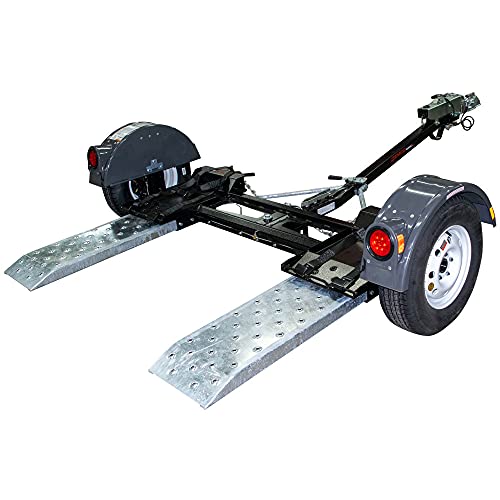
The Demco KarKaddy X combines robust build quality with practical adjustment ranges. It supports a towed vehicle tread width from 42 inches to 78 inches, which accommodates a wide variety of vehicles commonly towed behind RVs. A notable design feature is the 4-degree load angle reduction, which helps low-profile vehicles sit more evenly on the dolly and reduces ride height complications on bumpy roads. Hydraulic surge brakes provide powerful, responsive stopping performance, enhancing safety during tows. This model targets RVers who prioritize stability with broader vehicle widths and a smoother braking experience.
In use, the KarKaddy X emphasizes stable rolling and reliable alignment. The hydraulic brake system works in concert with the dolly’s frame geometry to minimize wheel hop and tire wear. The combination of a generous tread-width range and a reduced load angle positions this dolly well for campers hauling sports cars, compact SUVs, and other low-clearance vehicles. For long trips with frequent stops, the hydraulic setup can offer predictable braking with less pedal effort, which is a meaningful comfort factor on remote highways.
Trailer Tug: Maximum Maneuverability
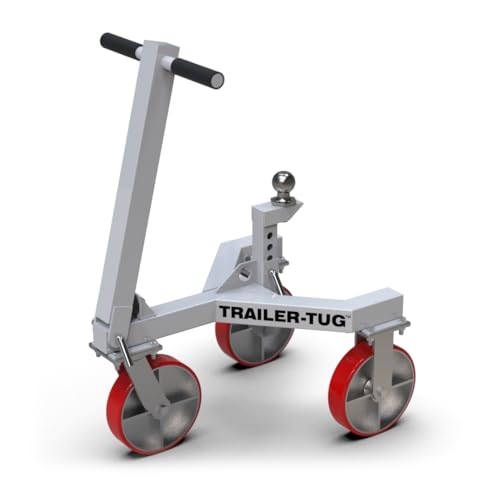
The Trailer Tug emphasizes unmatched maneuverability for tight spaces. It’s designed to navigate trailers with precision, which is especially valuable in crowded campsites, garages, or loading docks. The unit supports substantial loads, with a towing capability listed for up to 3,500 pounds of tongue weight, making it suitable for a wide range of trailers and small to medium RVs. A lighter, portable design complements its performance, allowing it to travel with you between sites and storage spaces without adding significant bulk to your gear.
Users gain confidence in maneuvering thanks to its robust construction and the balance between power and control. While emphasis here is on steering in constrained areas, the Trailer Tug is also built to handle typical hauling tasks encountered in RV life—from boat trailers to flatbeds. The combination of strong build and precise control supports both frequent campground use and occasional heavy-duty towing missions.
SuperHandy Electric Trailer Dolly: Power On Demand

The SuperHandy Electric Trailer Dolly delivers heavy-duty performance with a 7500-pound capacity and up to 1100-pound tongue weight. This makes it well-suited for larger RVs, boats, and utility trailers that require reliable motorized assistance. Power is provided by an 800W motor fed by dual 12-volt AGM batteries, ensuring extended runtime during longer tow setups. The 6-wheel design enhances stability and helps distribute weight more evenly across uneven surfaces, which is critical when moving through campgrounds or uneven driveways.
Advanced maneuverability features include a variable ball mount that supports 2 inches for 2800 pounds and 2-5/16 inches for up to 7500 pounds, along with a thumb throttle for precise speed control and a reverse/drive switch. This combination provides fine-grained control in tight spots and when negotiating slopes or curbs, making it a strong option for RVers who frequently move heavy towed equipment or set up near water, docks, or camper pads.
Tow Tuff Dolly: Versatile and Sturdy

The Tow Tuff Dolly offers a robust 800-pound capacity and features a flexible, adjustable height from 15.36 to 24.36 inches, accommodating different trailers and towing scenarios. It uses 12-inch flat-free tires and a single 8-inch swivel caster, which helps with steering and reduces maintenance concerns compared with air-filled tires. The unit is compatible with 1 7/8-inch couplers, broadening compatibility with many hitch setups common on smaller trailers and some RV dinghies.
Design emphasis includes a steel frame with powder-coat finish to resist corrosion and wear in outdoor environments. For users needing an economical yet capable dolly with straightforward setup, the Tow Tuff provides dependable performance, straightforward operation, and good value for occasional towing tasks around campsites or storage areas.
HEIGHYOXP Universal Tow Bar: Adjustable Fit

The Universal Tow Bar from HEIGHYOXP is designed with versatility and universal fit in mind. It offers a broad adjustable width range from zero to 42.5 inches, enabling compatibility across a wide array of vehicles and RV setups. The tow bar features a heavy-duty 2-inch trailer coupler and rust-resistant construction, helping to ensure longevity in outdoor conditions. This option is well-suited for campers who prefer a bar-style connection as an alternative to traditional dolly systems, especially when towing at the edge of weight limits or when vehicle-to-RV spacing varies.
Assessing this model involves understanding how a tow bar integrates with your vehicle’s hitch arrangement and how easy it is to secure and release. The capable width adjustment helps align the towed vehicle correctly relative to the RV, reducing the risk of sway or misalignment on uneven roads. For RVs operating in varied climates or with multiple towing configurations, this bar offers a flexible, durable approach to flat/dinghy towing.
Buying Guide: Key Considerations For Tow Dolly Purchases
- Weight and Load Capacity: Match the dolly or tow bar to the heaviest vehicle you plan to tow, including tongue weight considerations for electric or manual systems.
- Braking System: Hydraulic surge brakes provide strong, linear stopping power for many dollies, while electric or drum brakes may suit lighter setups. Consider maintenance and field serviceability.
- Width and Tread Range: A wider tread range accommodates more vehicle widths, including low-profile cars. Ensure the recommended range covers your typical towed vehicles.
- Height Adjustability: Adjustable height helps align the towed vehicle with minimal ramp or slope issues on driveways or campsites.
- Torque and Maneuverability: For tight spaces, prioritize units with robust wheels, quick steering, and stable weight distribution.
- Durability and Materials: Look for corrosion-resistant coatings, heavy-duty steel, and weatherproof components to maximize longevity in outdoor environments.
- Ease of Use: Throttle control, reverse/drive options, and intuitive latching mechanisms reduce setup time and risk during towing.
- Vehicle Compatibility: Verify coupler sizes (1 7/8″, 2″), tow bar compatibility, and whether a dolly supports both trailers and RV-dinghy configurations.
- Portability and Storage: Weighing options and foldable designs matter for campers with limited storage space in tow vehicles or garages.
When choosing between a dolly and a tow bar, consider your typical towing scenarios: frequent short moves within campgrounds may benefit from compact, highly maneuverable dollies, while longer trips or varying vehicle sizes could favor adjustable tow bars with broader compatibility. Safety features such as braking performance, wheel reliability, and secure hooking mechanisms should guide final decisions alongside practical storage and maintenance considerations.