Finding the right deep cycle battery for an RV involves balancing weight, cycle life, capacity, and compatibility with your existing battery box. The options below highlight five top choices that deliver long life, robust safety features, and reliable performance for RV, camping, trolling, and off-grid setups. Each product includes a built-in BMS, strong cycle counts, and Group 24 or similar fits to simplify upgrades from traditional lead-acid batteries. Use this guide to compare technology, durability, and intended use across popular RV power systems.
| Brand | Model | Type | Approximate Fit | Key Strength |
|---|---|---|---|---|
| MARSENERGY | 12V 100Ah Lifepo4 Battery (BCI Group 24) | LiFePO4 | Group 24 | Long cycle life; built-in 100A BMS |
| GRENERPOWER | 12V 100Ah LiFePO4 Battery (Group 24) | LiFePO4 | Group 24 | Up to 15,000 deep cycles; compact design |
| Renogy | Deep Cycle AGM 12V 100Ah | AGM | Standards 12V systems | Proven safety; maintainence-free |
| Interstate Batteries | 12V 110 AH DCM0100 | AGM | Group 29/Universal 12V | Rugged, reliable deep-cycle power |
| FLLYROWER | 12V 100Ah LiFePO4 Battery | LiFePO4 | Any RV/Lithium-ready box | 16500 cycles; strong BMS |
Marsenergy 12V 100Ah Lifepo4 Battery (BCI Group 24)
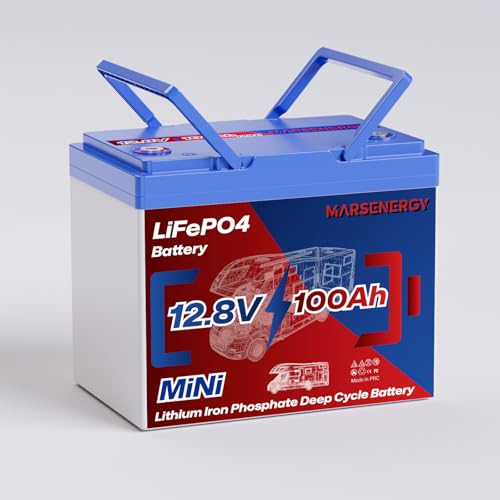
MARSENERGY’s 12V 100Ah Lifepo4 battery is designed for RVs, trolling motors, boats, and off-grid use. It features a built-in 100A BMS and a compact Group 24 footprint. The battery supports up to 4500 deep cycles at 100% DOD, with scalable life extensions at lower depths of discharge. It weighs about 21 lb, offering significant weight savings over lead-acid options. The system is engineered for cold-weather performance, with low-temperature protections and -4°F discharge cutoffs to protect longevity and safety.
Key features: 10-year lifespan in proper usage; lightweight and compact; reliable, waterproof construction; compatible with larger Group sizes like 27 or 31 when boxed appropriately. Suitable for RV upgrades where space and weight are important considerations.
GrenerPower 12V 100Ah LiFePO4 Battery (Group 24)

GrenerPower’s 12V 100Ah LiFePO4 battery is built for RVs, trolling motors, and off-grid storage. It uses Grade A+ cylindrical cells and a 100A BMS to manage heat and protect the pack during high-power operation. With an output of up to 1280W and up to 15,000 deep cycles, it offers a strong balance of power density and longevity. It weighs about 22.57 lbs and is designed as a drop-in replacement in Group 24 compartments, providing lighter weight and higher energy density than many lead-acid equivalents. Note: intended as a storage battery, not a car starting battery.
Renogy Deep Cycle AGM 12V 100Ah Battery

Renogy’s AGM 12V 100Ah battery is a trusted choice for RVs, camping, and off-grid systems. AGM chemistry provides maintenance-free operation with robust safety features and minimal troubleshooting. It supports series and parallel connections, enabling flexible configurations. Renogy emphasizes safety and reliability, with a sealed design that reduces trip hazards and spillage concerns. This option is well-suited for RV owners seeking a proven, widely compatible AGM solution with straightforward installation.
Marsenergy 12V 100Ah Lifepo4 Battery (Group 24) Second Model

This is another Marsenergy LiFePO4 option with the same core features as the first Marsenergy entry: a 100Ah capacity, Group 24 sizing, built-in 100A BMS, and strong deep-cycle performance. It reinforces the brand’s emphasis on long life, light weight, and compatibility with various RV battery boxes. It remains a solid option for users prioritizing deep-cycle reliability in a compact footprint.
Interstate Batteries 12V 110 AH DCM0100

Interstate Batteries’ DCM0100 is a professional-grade AGM deep-cycle battery designed for RVs, solar systems, and marine use. It emphasizes extended life and multiple cycles under deep-discharge scenarios. Its generous 110Ah capacity and rugged construction are paired with maintenance-free, spill-proof AGM technology. This option is ideal for RVers seeking a dependable, widely supported battery with easy replacement in a standard 12V system.
Buying Guide: Key Purchase Considerations And Comparisons
Battery chemistry: LiFePO4 (lifepo4) offers longer cycle life, lighter weight, and more stable chemistry than traditional lead-acid or AGM. For long trips and frequent cycling, LiFePO4 often delivers a lower total cost of ownership despite higher upfront cost. AGM is more cost-effective upfront and proven, with simple maintenance-free operation, but shorter cycle life.
Cycle life and depth of discharge: Look for higher cycles at 100% DOD for maximum usable capacity. Many LiFePO4 options claim thousands of cycles; verify how cycles degrade with higher DOD. For RV use, a 50-80% DOD balance often yields the best longevity and performance.
Weight and space: Lithium options typically weigh about one-quarter of lead-acid equivalents for the same capacity. If you’re upgrading in a tight space or heavier load, LiFePO4 can improve handling and efficiency.
Box fit and terminal configuration: Ensure the battery fits your RV’s battery compartment (BCI Group size) and receive compatible terminal types (M8 bolts, side or top terminals). Some models are marketed as drop-in replacements for Group 24, 27, or 31 sizes.
Built-in safety features: A robust BMS is essential for LiFePO4, protecting against overcharge, over-discharge, short-circuit, and temperature extremes. AGM batteries should also have solid safety systems and venting.
Temperature performance: Low-temperature operation impacts capacity. Some lifepo4 cells tolerate cold better, but BMS cutoffs can protect the pack. For winter RVing, consider batteries with explicit low-temperature protections and wiring compatible with cold environments.
Maintenance and warranty: Favor batteries with documented warranty terms and responsive customer support. AGM requires less maintenance than flooded lead-acid but still benefits from proper storage and charging practices.
Charging compatibility: Check your inverter/charger and solar controllers for LiFePO4 or AGM support. Some devices need mode switching to optimize charging for different chemistries to maximize life and efficiency.
Cost versus lifetime value: Upfront costs are higher for LiFePO4, but longer cycle life and lighter weight can lead to lower lifetime costs. Consider planned usage, climate, and required reliability when choosing.