Answering the need for portable, lightweight, and reliable solar power in a van or RV, these walkable solar panels are ideal for travelers who want flexible energy without heavy rooftop installations. This guide highlights five top options that balance portability, durability, and efficiency. Best for weekend campers, daily travelers, or full-time van dwellers who value easy setup and space efficiency.
Summary table of selected products:
- ECO-WORTHY 200W Kit — Best overall for mid-size van setups, strong durability, and higher daily output.
- DOKIO 100W Flexible Panel — Best for lightweight, flexible mounting on curved van surfaces.
- Renogy N-Type 400W (2 panels) — Best for higher power needs in compact spaces with high efficiency.
- BougeRV 200W Portable Panel — Best for quick setup and off-grid camping with rugged portability.
- Callsun N-Type 400W Bifacial (2×200W) — Best for maximum daytime energy with bifacial tech and anti-shade design.
ECO-WORTHY 200 Watts Kit For RV And Van
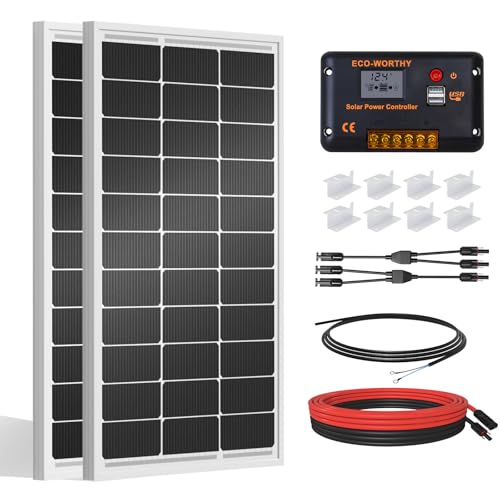
The ECO-WORTHY kit uses high-efficiency monocrystalline cells to deliver high daily output under ideal sun. Designed for RVs, campers, and other off-grid applications, it suits buyers who want a robust 200W system without complex installation. Best for mid-size vans or campers where roof space is limited but a solid daily yield is desired.
- Best for: Van owners seeking substantial daily output with reliable performance.
- Why selected: Strong corrosion-resistant frame and durable construction support long-term use in outdoor environments.
- Caution: System performance depends on full sun and correct wiring; ensure proper mounting and ventilation.
DOKIO 100W Flexible Panel For Vans And Campers

The DOKIO 100W flexible panel is ultra-light and thin for easy mounting on curved van roofs or other irregular surfaces. It is best for travelers who favor portability and quick setup over permanent roof installations. The panel works well for temporary or seasonal off-grid power needs and is easy to reposition as your travel demands change.
- Best for: Lightweight, mobile off-grid power on travel vehicles with curved surfaces.
- Why selected: Semi-flexible ETFE construction allows bending up to 30°, simplifying fit on non-flat surfaces.
- Caution: Not designed as a permanent roof replacement; avoid direct mounting on combustible materials and excessive bending.
Renogy N-Type 400W Solar Panels (2 x 200W)

This pair of 200W panels emphasizes compactness and higher efficiency (25% cell efficiency) for Class B vans or tight spaces. The 400W configuration improves system flexibility, supporting 12V and 24V battery needs with improved efficiency in varied conditions. It’s best for van owners who want substantial power while conserving interior space.
- Best for: Class B vans needing strong daily output without excessive panel footprint.
- Why selected: High efficiency and compact design suit limited roof space while delivering serious power.
- Caution: Higher wattage requires compatible controllers and proper mounting plan for wind and weather exposure.
Callsun N-Type 16BB 400W Bifacial Panels (2×200W)

Callsun’s bifacial design captures sunlight on both sides, potentially increasing total energy output. The N-Type cells and 16BB busbars reduce hot spots and improve longevity, making this option suitable for van setups that can support higher power intake and are exposed to reflective or diffuse lighting conditions. It’s best for owners who want extra production and shading resilience.
- Best for: Vans seeking maximum daytime energy with enhanced shading tolerance.
- Why selected: Bifacial tech and anti-shade design boost real-world output, especially on reflective surfaces.
- Caution: Bifacial benefits depend on mounting surface and light conditions; planning is essential for optimal gains.
BougeRV 200W Portable Solar Panel

This foldable, fiberglass-reinforced panel is ideal for campers and vans needing a portable, plug-and-play power solution. Its 200W output combined with easy connections makes it a practical choice for temporary setups, backup power, or supplementary charging for devices and small appliances. Best for quick deployment and transport between locations.
- Best for: Portable charging in camping, RV trips, and off-grid adventures.
- Why selected: Lightweight, durable, and quick to set up with standard connectors for compatibility.
- Caution: Folding panels require careful handling to avoid damage; check connectors for weatherproofing over time.
Buying Guide: Key Considerations For Walkable Van Solar Panels
- Power needs: Estimate daily energy use (in watt-hours) and match with panel wattage and battery capacity to avoid undersizing.
- Mounting approach: Choose rigid rooftop panels for permanent setups or flexible/portable panels for curved surfaces and seasonal use.
- Weight and portability: For frequent relocation, prioritize lighter panels and foldable designs to reduce travel strain.
- Durability: Look for corrosion-resistant frames, ETFE coatings, and IP ratings to withstand outdoor conditions.
- Efficiency vs. space: Higher efficiency cells deliver more energy in tighter spaces; consider 16BB or N-Type technologies for reliability.
- Shading tolerance: Anti-shade designs and bifacial tech can maintain output in partial shade or reflective environments.
- System integration: Ensure compatibility with 12V/24V systems, charge controllers, and any existing inverters or power stations.
Frequently Asked Questions
- How many solar panels do I need for a van?
Depends on daily energy consumption and battery capacity. A typical van system ranges from 200W to 400W for moderate use, with additional panels for higher power needs.
- Are flexible panels better for vans?
Flexible panels are advantageous for curved roofs or where weight matters, but may be less durable over long-term exposure than rigid panels.
- What is bifacial solar technology?
Bifacial panels capture light from both sides, potentially increasing output, especially on reflective surfaces or when installed over bright ground.
- What maintenance do van solar panels need?
Regular cleaning, inspection of seals and connectors, and ensuring proper ventilation and mounting to prevent overheating.
- Can I install solar panels myself on a van?
Yes, with proper safety measures, wiring knowledge, and adherence to vehicle warranties and local regulations.